


Views: 0 Author: Site Editor Publish Time: 2026-08-05 Origin: Site


Discovering broken solar module glass after a severe hail storm, physical impact, or sudden thermal stress presents an immediate operational challenge. System owners often face a tense decision. You might want to attempt a quick fix promoted on DIY forums and video platforms. Alternatively, you must accept the technical realities of photovoltaic manufacturing and opt for a full replacement. Applying sealants or tapes might seem like a practical workaround. However, these methods ignore strict electrical safety standards and grid compliance requirements.
We will evaluate temporary mitigation strategies versus full panel replacement based on field evidence. Understanding the mechanics of solar panel construction reveals why surface-level patches fail to restore structural integrity or long-term power output. By examining the severe risks associated with compromised panels, system operators can make informed decisions. This approach prioritizes safety, maintains code compliance, and ensures warranty-backed resolutions.
True Repair is Impossible: Because solar cells are vacuum-laminated to the glass using EVA or POE encapsulants, shattered glass cannot be removed or replaced without destroying the underlying cells.
DIY Fixes are Temporary Band-Aids: Applying epoxies, polyurethane, or laminating films only serves as a temporary moisture barrier and will not restore structural integrity or long-term power output.
Safety and Compliance Risks: Operating a module with compromised glass introduces severe risks of water ingress, ground faults, and potential fire hazards, immediately voiding the solar module warranty.
Replacement is the Standard: Engaging a qualified solar panel replacement supplier is the only viable long-term solution to maintain array efficiency, safety, and code compliance.
Standard photovoltaic modules rely on 3.2mm or 2.0mm high-transmission tempered glass. This layer provides structural support and protects internal components from environmental degradation. Manufacturers engineer this glass to withstand significant mechanical loads. It handles heavy snow and high wind pressures while maximizing light transmittance to the active silicon layers.
During manufacturing, the glass, encapsulant (typically Ethylene Vinyl Acetate or EVA), solar cells, and backsheet undergo a rigorous lamination process. Heat and vacuum fuse these layers into a single composite. The encapsulant melts and cures directly onto the textured surface of the glass and the fragile silicon cells. The glass becomes an integral, load-bearing component of the module. Removing it without shattering the microscopic cell connections is physically impossible.
Traditional single-glass modules utilize a polymer backsheet. Damage is usually isolated to the front face. In contrast, a dual glass solar module features tempered glass on both the front and rear. Installers often utilize these in bifacial or frameless designs. These modules generally offer superior durability and resistance to moisture ingress over decades of operation.
When the front or rear glass of a dual-glass unit shatters, it presents unique challenges. The loss of structural rigidity is immediate. The active bifacial cells face an instant moisture threat from both sides. Frameless variants are particularly vulnerable to edge impacts. An edge strike can cause the entire pane to spider-web, severely compromising the module's mechanical stability.
Module Type | Structural Impact of Glass Breakage | Moisture Vulnerability | Common Failure Modes |
|---|---|---|---|
Single Glass (Backsheet) | Loss of front rigidity; backsheet remains intact but vulnerable to flexing. | High on the front face; water pools in cracks and penetrates EVA. | Hail impact, point-load stress, thermal shock. |
Dual Glass (Framed) | Significant loss of overall rigidity; rear glass may hold module together temporarily. | Immediate threat to bifacial cells if either pane breaks. | Edge impacts, severe hail, mounting clamp over-torquing. |
Dual Glass (Frameless) | Catastrophic loss of structural integrity; high risk of module sagging or falling. | Extreme; no frame to channel water away from compromised edges. | Improper handling during installation, edge strikes. |
Evaluating solar panel glass damage requires distinguishing between superficial scratches, localized spider-web cracking, and completely shattered panes. Superficial scratches might slightly reduce light transmission but rarely affect structural integrity. Localized cracking indicates a failure in the tempered glass tension. This cracking will inevitably spread across the entire surface due to thermal cycling.
A completely shattered pane means the environmental seal is broken. Any impact severe enough to break tempered glass almost certainly causes invisible microcracks in the silicon cells beneath. These microcracks disrupt the flow of current. They lead to immediate power loss and the rapid development of localized resistance.
Online platforms frequently feature DIY tutorials claiming to fix shattered solar panels. We see these methods fail in the field constantly. Let us break down why these steps do not work.
Cleaning and debris removal: Wiping the shattered surface forces micro-shards of glass deeper into the EVA layer. This permanently scratches the active cell surface and severs grid lines.
Applying liquid sealant: Users pour polyurethane, clear epoxy resin, or silicone encapsulants over the cracks. These liquids seep into the fractures unevenly.
Laying transparent laminating film: Applying heavy-duty tape or film traps air bubbles and moisture that was already present in the cracks.
Curing and testing: The panel might show voltage initially. However, standard resins and epoxies lack UV stability. Within months of sun exposure, they yellow, degrade, and peel.
These methods drastically reduce light transmittance and tank energy yields. They offer a false sense of security rather than a functional repair.
The core failure of DIY repair lies in material science. Tempered glass and aftermarket epoxies have vastly different coefficients of thermal expansion. As the panel heats up during the day and cools at night, these materials expand and contract at different rates. This constant thermal cycling causes the DIY seals to crack and delaminate. Moisture ingress happens immediately.
Liquid sealants and films provide zero structural reinforcement. The tempered glass originally provided the rigidity needed to withstand wind uplift and snow loads. Once shattered, the panel remains highly vulnerable to mechanical load failure. A strong gust of wind can cause a taped-together panel to buckle. It can tear right off its mounting hardware.
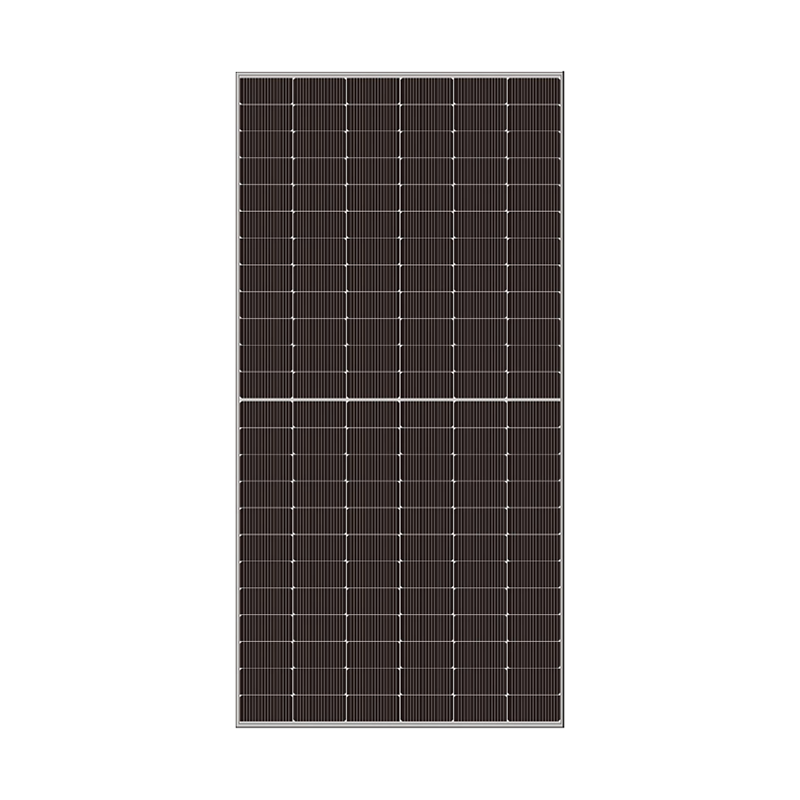
System owners often ask if a panel with shattered glass can still produce electricity. The short answer is yes, temporarily. You can safely test a damaged panel using a multimeter to measure Open Circuit Voltage (Voc) and Short Circuit Current (Isc). You must wear appropriate personal protective equipment and avoid contacting live, wet, or exposed components.
Displaying normal voltage on a sunny day is misleading. A compromised panel can still fail catastrophically under load or during rain. The loss of the hermetic seal means the internal circuitry is exposed to the atmosphere. Operating such a panel is a gamble against inevitable electrical failure.
Water ingress through cracked glass and compromised EVA is the most immediate danger. Moisture creates conductive paths where none should exist. This leads to ground faults. Current leaks to the metal frame or mounting structure, posing a severe shock hazard to anyone touching the array.
Moisture and corrosion cause leakage currents and increase the risk of catastrophic DC arc faults. Direct current arcs sustain themselves easily and burn at extremely high temperatures. If an arc fault occurs within the compromised laminate, it can easily ignite the polymer backsheet and surrounding materials. This leads to a full-scale system fire.
Shattered glass scatters incoming sunlight. This immediately reduces the module's energy yield. Instead of passing cleanly to the silicon, light reflects off the myriad fracture planes. This optical loss is compounded by the physical damage to the cells.
Moisture-induced corrosion and impact-related cell microcracks create areas of high localized resistance. When current forces its way through these bottlenecks, the energy dissipates as heat. This creates hot spots. These hot spots further degrade the encapsulant, scorch the backsheet, and drag down the performance of the entire surrounding array.
Standard manufacturer warranties contain strict clauses regarding physical damage, environmental impact, and unauthorized modifications. Warranties cover manufacturing defects. They explicitly exclude damage from hail, falling branches, or improper handling.
Applying aftermarket adhesives, resins, or films to broken glass definitively voids any remaining performance or product guarantees. If a modified panel causes a fire or damages the inverter, the manufacturer's solar module warranty will offer zero protection. The system owner remains fully liable for the resulting costs.
There is a very narrow use-case for temporary fixes. In off-grid, low-voltage systems—such as RVs, small remote cabins, or isolated lighting setups—immediate replacement might be logistically impossible. If the system operates at a low voltage and you can monitor it closely, applying a temporary moisture barrier might keep the lights on for a few days.
This is strictly an emergency mitigation tactic, not a repair. You must isolate the panel from critical infrastructure. Operators must understand that the unit is fundamentally compromised and must be replaced at the earliest opportunity.
For residential grid-tied and commercial arrays, immediate replacement is non-negotiable. Strict electrical codes, such as the National Electrical Code (NEC), mandate that all equipment must be installed and maintained according to its listing. A shattered panel loses its UL or IEC safety certification instantly.
Operating damaged equipment introduces severe insurance liabilities. In string inverter systems, a single damaged panel with reduced current output will drag down the performance of the entire string. This results in disproportionate energy losses across the array.
You must distinguish between manufacturing defects and external damage. Standard PV module after-sales service covers issues like spontaneous glass breakage due to thermal stress or improper tempering. It does not cover hail, debris impact, or vandalism.
For external damage, system owners must file a claim under their homeowner's or commercial property insurance. Document the damage immediately with high-resolution photos. Note the time and date of the weather event, and record the panel's serial number. Provide this documentation to the insurance adjuster alongside an assessment from a qualified solar technician.
Removing a shattered panel requires strict safety protocols to prevent electrical shock or injury from falling glass. The system must be fully shut down at the inverter and AC disconnect. You must isolate the specific string containing the damaged module.
Verify the system is de-energized using a clamp meter.
Wear cut-resistant gloves and dielectric safety gear.
Carefully disconnect the panel from the string, ensuring you safely cap the MC4 connectors.
Tape the shattered glass before removal to prevent shards from falling during the descent from the roof.
Lower the panel using proper rigging; do not carry a shattered panel down a ladder by hand.
When replacing a damaged module, matching the electrical characteristics is critical. The new panel must align with the existing string's Maximum Power Voltage (Vmp), Maximum Power Current (Imp), Open Circuit Voltage (Voc), and Short Circuit Current (Isc). Installing a mismatched panel can cause severe bottlenecking. The entire string operates at the current of the lowest-performing module.
Review the original datasheet and ensure the replacement falls within acceptable tolerance levels. Physical dimensions also matter, especially if the array utilizes specific mid-clamps or rail spacing.
Finding an exact match for a panel installed several years ago is often difficult. When the specific model is discontinued, operators must employ alternative strategies. Sourcing New Old Stock (NOS) from warehouses is one option. Utilizing module-level power electronics, such as DC optimizers, allows a panel with different specifications to operate on the same string without causing mismatch losses.
Partnering with a specialized solar panel replacement supplier is highly recommended. These experts cross-reference legacy specifications, locate compatible alternatives, and ensure the new hardware integrates seamlessly and safely into the existing array.
Repairing broken solar module glass is a physical impossibility due to the vacuum lamination process that fuses the glass, cells, and encapsulant. Temporary sealants only delay inevitable failure while introducing severe electrical and fire safety risks. Prioritizing system integrity means recognizing that full replacement is the only viable, code-compliant solution.
Safely isolate and disconnect the damaged panel immediately to prevent ground faults or moisture ingress.
Document the physical damage thoroughly with photos and serial numbers to support your insurance claim.
Contact a specialized replacement supplier to source a module that matches your existing string's electrical specifications.
Ensure all replacement work is conducted by certified professionals to maintain grid compliance and system safety.
A: While a damaged panel may temporarily produce power, its efficiency drops significantly due to light scattering and cell microcracks. More importantly, it becomes an immediate electrical hazard due to the loss of insulation resistance, risking ground faults and fires.
A: Warranties only cover manufacturing defects, such as spontaneous breakage from thermal stress. Damage from hail, impact, or environmental factors is excluded and requires filing a claim through property insurance.
A: No. The EVA vacuum lamination process permanently fuses the glass to the fragile solar cells. Attempting to separate the shattered glass will destroy the active silicon layers beneath.
A: This is only a short-term emergency moisture barrier for off-grid, low-voltage setups. It does not restore structural integrity or resolve the severe electrical and fire risks associated with compromised insulation.
A: Consult a specialized replacement supplier who can cross-reference your panel's voltage and current specifications. They can source New Old Stock or recommend compatible alternatives, sometimes utilizing DC optimizers to prevent mismatch losses.
A: Dual glass modules offer increased overall durability and lower degradation rates. However, they are still susceptible to severe localized impacts, and if shattered, they lose structural rigidity rapidly.


