


Views: 0 Author: Site Editor Publish Time: 2025-12-18 Origin: Site


As the world continues to focus on renewable energy sources, solar power remains at the forefront of the green energy revolution. Among the many innovations in solar technology, high efficiency solar modules have emerged as one of the most significant advancements in the field. These modules play a pivotal role in enhancing the performance of solar power systems by maximizing energy output, reducing costs, and contributing to a cleaner environment.
In this article, we will delve into the concept of high efficiency solar modules, exploring their features, benefits, and applications in solar power systems. Whether you’re considering solar power for your home, business, or large-scale solar installations, understanding the importance of high-efficiency modules is crucial for making informed decisions about your energy needs.
Solar modules, commonly known as solar panels, are the core components of a solar power system. They convert sunlight into electricity through a process called photovoltaics (PV). High efficiency solar modules are advanced versions of traditional solar panels that are designed to capture more sunlight and convert it into usable electricity with greater efficiency.
High-efficiency solar modules use advanced photovoltaic (PV) technology that allows them to produce more power from the same amount of sunlight compared to standard modules. The efficiency of a solar module is determined by its ability to convert sunlight into electricity. In typical modules, the efficiency rate can range from 15% to 20%, while high-efficiency modules can reach up to 22% or more.
These modules use high-quality materials, advanced cell designs, and innovative manufacturing processes to achieve this higher efficiency. Some common technologies used to increase efficiency include:
Monocrystalline Silicon: Monocrystalline solar panels are made from a single continuous crystal structure, which allows for greater electron movement and, therefore, higher efficiency.
Passivated Emitter and Rear Cell (PERC): PERC technology enhances the solar module’s ability to capture and use sunlight, improving efficiency by reducing energy losses.
Bifacial Solar Cells: These cells can capture sunlight on both the front and back sides of the panel, further improving overall energy output.
The most obvious benefit of high-efficiency solar modules is their ability to generate more energy. With a higher efficiency rate, these modules capture a larger percentage of sunlight and convert it into electricity. This means that high-efficiency solar modules can produce more power with fewer panels, which is particularly beneficial when space is limited.
For homeowners with limited roof space, high-efficiency solar modules allow for a more compact system that delivers the same or even higher energy output compared to traditional panels. Similarly, in commercial and industrial installations, high-efficiency modules can provide better energy performance with fewer panels, reducing the need for additional infrastructure.
Because high-efficiency modules generate more energy from the same amount of space, they allow for smaller solar power systems. This can significantly reduce the installation and equipment costs, as fewer panels are required to achieve the desired energy output.
While high-efficiency modules tend to have a higher upfront cost, the reduced need for additional panels, wiring, and space leads to long-term savings. Over time, the increased energy production helps recover the initial investment and delivers greater overall value. Furthermore, high-efficiency solar modules tend to have a longer lifespan and superior performance, which adds to their cost-effectiveness.
High-efficiency solar modules perform better in low light conditions compared to traditional panels. This makes them ideal for regions that experience cloudy weather, shorter daylight hours, or lower solar irradiance.
For businesses or homes located in regions with frequent cloud cover or low sunlight exposure, high-efficiency solar modules can make a significant difference in energy generation. These modules are designed to capture even scattered sunlight and convert it into electricity, ensuring consistent energy production throughout the day.
One of the key drivers of the transition to solar energy is its environmental benefits. High-efficiency solar modules contribute significantly to sustainability by maximizing energy production from renewable sources. Their ability to generate more electricity with fewer panels reduces the overall material consumption, energy usage in manufacturing, and the carbon footprint of solar energy systems.
By investing in high-efficiency solar modules, businesses and homeowners not only save on energy bills but also help contribute to a cleaner environment. These modules require fewer resources to produce and generate more power over their lifetime, offering a more sustainable solution for energy needs.
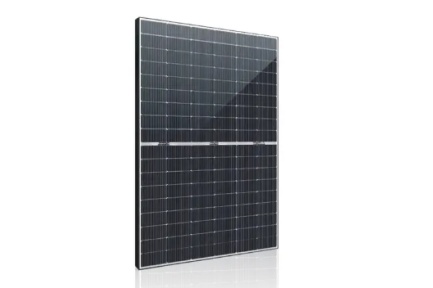
High-efficiency solar modules are an excellent choice for residential solar power systems, particularly in areas where roof space is limited. These modules ensure homeowners can maximize energy output without requiring a large installation area, making them ideal for urban settings or homes with smaller rooftops.
Key Benefits:
Compact, efficient design: More energy from fewer panels.
Aesthetic appeal: Sleek, modern designs that blend well with various home styles.
Reduced installation time: Fewer panels mean faster setup.
Commercial and industrial sectors are increasingly turning to high-efficiency solar modules to reduce operational costs and achieve sustainability goals. These modules provide a higher return on investment by generating more energy per square meter, which is particularly beneficial for large facilities with high energy demands.
Key Benefits:
Higher energy output: Ideal for large-scale installations with limited space.
Lower operational costs: Reduced energy costs and quicker payback periods.
Scalable: Systems can be expanded easily as energy demands grow.
For utility-scale solar power plants and solar farms, high-efficiency solar modules are the preferred choice due to their ability to generate large amounts of energy in a compact footprint. These installations benefit from the increased energy production, allowing them to maximize land use while providing clean, renewable energy to large populations.
Key Benefits:
Maximized land use: More energy produced per square meter of land.
Efficient power generation: Meets high energy demands with fewer panels.
Sustainable energy: Contributes to the global shift toward renewable energy sources.
High-efficiency solar modules are also used in off-grid systems for remote areas where access to the power grid is limited or unavailable. These systems often require solar panels that can generate enough electricity to power homes or small communities without the support of external electrical infrastructure.
Key Benefits:
Reliable energy production: Ensures off-grid locations have a steady power supply.
Independence from the grid: Reduces reliance on fossil fuels and grid infrastructure.
High-efficiency solar modules are a game-changer in the world of solar power systems. Their ability to generate more electricity from the same amount of space, coupled with their better performance in low-light conditions and reduced environmental impact, makes them a superior choice for both residential and commercial installations. As technology continues to evolve, high-efficiency solar modules will become even more accessible and cost-effective, making solar energy an even more viable option for businesses and homeowners looking to reduce their energy costs and environmental footprint.
At Jiangyin Licheng Light Energy Co., Ltd., we are committed to providing top-tier, high-efficiency solar modules that offer maximum performance and durability. Our products are designed to meet the diverse needs of residential, commercial, and industrial customers, ensuring reliable, sustainable energy solutions.
If you're looking to invest in a solar power system that delivers exceptional energy efficiency and long-term savings, we invite you to explore our range of high-efficiency solar modules. Reach out to us today to learn more about how we can help you power your future with clean, renewable energy.
What is the difference between high-efficiency solar modules and standard solar modules?
High-efficiency solar modules capture and convert more sunlight into usable electricity, offering greater power output per panel compared to standard solar panels.
How do high-efficiency solar modules improve energy production?
They utilize advanced materials and technologies, such as monocrystalline silicon and PERC cells, which increase the conversion efficiency and allow them to generate more power with less space.
Are high-efficiency solar modules more expensive?
While high-efficiency solar modules generally come with a higher upfront cost, their ability to generate more electricity from fewer panels makes them a cost-effective option over the long term, especially in areas with limited space.
How long do high-efficiency solar modules last?
High-efficiency solar modules typically have a lifespan of 25 to 30 years, during which they maintain a high level of performance and efficiency.
Are high-efficiency solar modules suitable for off-grid systems?
Yes, high-efficiency solar modules are ideal for off-grid systems, as they provide reliable and efficient energy production even in remote areas with limited access to the power grid.
