


Views: 0 Author: Site Editor Publish Time: 2025-12-08 Origin: Site


In the era of renewable energy, solar power has emerged as one of the most promising solutions to meet the world’s energy demands sustainably. As countries and businesses shift toward greener energy alternatives, monocrystalline solar modules have become a leading choice for solar power systems. These high-efficiency solar panels offer excellent performance and longevity, making them ideal for a variety of residential, commercial, and industrial applications.
In this article, we will explore the essential role monocrystalline solar modules play in solar power systems, discussing their features, advantages, and applications. We’ll also provide insights into how they contribute to the efficiency and sustainability of your energy setup.
Monocrystalline solar modules, often referred to simply as mono panels, are made from high-purity silicon cells. These cells are created from a single crystal structure, which is why they are called monocrystalline. This single crystal formation allows for a more uniform structure, making the panel more efficient in converting sunlight into electricity.
These panels are typically characterized by their dark black appearance, which is due to the high purity of the silicon used. Monocrystalline solar modules are known for their high efficiency and long lifespan, making them an excellent investment for both residential and commercial solar power systems.
Monocrystalline solar panels work by absorbing sunlight and converting it into electrical energy through the photovoltaic effect. Here’s how it works in a solar power system:
Sunlight Absorption: When sunlight hits the solar panels, it excites the electrons in the silicon cells.
Electron Movement: The excited electrons create an electric current as they flow through the material, generating electricity.
Power Conversion: This direct current (DC) electricity is then converted into alternating current (AC) electricity by an inverter, making it usable for powering homes, businesses, and other facilities.
Monocrystalline solar modules typically have an efficiency rate of around 15% to 22%, which means that a higher percentage of the sunlight that hits the panel is converted into electricity compared to other types of solar panels, such as polycrystalline panels.
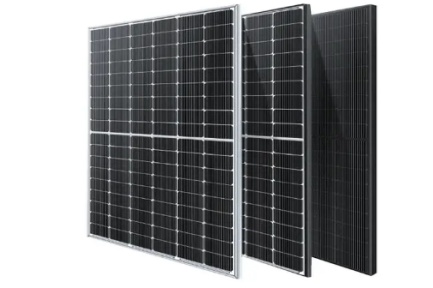
Monocrystalline solar modules are highly regarded for their outstanding performance and efficiency. These panels offer several key advantages, making them the top choice for solar power systems across both residential and commercial applications. In this section, we’ll delve deeper into the key benefits of using monocrystalline solar modules, which contribute to their growing popularity in the renewable energy industry.
One of the standout benefits of monocrystalline solar panels is their high energy conversion efficiency. Thanks to their uniform silicon crystal structure, these panels can achieve higher efficiency rates compared to polycrystalline or thin-film solar panels. This uniformity allows for optimal performance as each silicon cell can produce more energy from a given area of sunlight.
In simple terms, monocrystalline panels can generate more electricity from a smaller surface area. This is particularly advantageous for applications where space is limited, such as in urban environments, residential rooftops, or commercial buildings with limited roof space. Higher efficiency means that monocrystalline solar modules can deliver more power without requiring excessive physical space, making them ideal for areas with restricted available area for installation.
Another significant advantage of monocrystalline solar modules is their long lifespan. On average, these panels can last between 25 to 30 years, with many manufacturers offering warranties that guarantee performance for up to 25 years. This extended lifespan ensures that consumers get maximum value from their investment over a long period. Over time, the degradation of performance is minimal, ensuring that monocrystalline solar panels continue to produce energy efficiently throughout their life.
Monocrystalline solar panels are also known for their resilience against harsh weather conditions. They are designed to withstand a wide range of environmental stresses, including rain, wind, and snow. These panels can endure extreme temperatures, typically ranging from -40°C to +85°C, ensuring that they continue to operate effectively regardless of the climate in which they are installed. Whether you're in a hot desert, a snowy mountain region, or a coastal area, monocrystalline solar modules are built to withstand tough weather and perform reliably for decades.
The high efficiency of monocrystalline solar panels makes them inherently space-efficient. With these panels, you can generate a higher amount of energy per square meter of installation area. This is particularly beneficial in urban areas where available space is often limited. In residential installations, especially on smaller rooftops, this space-saving design allows homeowners to maximize the energy produced without taking up too much space.
Aesthetics play an important role in the decision-making process for homeowners considering solar power systems. Monocrystalline solar panels are favored for their sleek, black appearance, which is often regarded as more visually appealing than the blue or lighter-colored panels typically associated with polycrystalline panels. The modern design of monocrystalline panels allows them to blend seamlessly with a variety of architectural styles and rooftops, making them an attractive option for homeowners who wish to maintain the aesthetic integrity of their property.
Monocrystalline solar modules are highly versatile and are used in a wide range of applications within solar power systems. Let’s take a closer look at the various ways these panels are employed in both residential and commercial sectors.
Monocrystalline solar modules are a popular choice for residential solar power systems. Homeowners are increasingly looking for ways to reduce their electricity bills and become more energy-efficient. Monocrystalline panels, with their high efficiency and longevity, offer the perfect solution for home solar installations.
These panels can be installed on rooftops or other available spaces, allowing homeowners to generate their own electricity and reduce reliance on the grid. Monocrystalline solar systems can be paired with battery storage systems, allowing homeowners to store excess energy for later use, especially during the night or in cloudy weather.
For commercial buildings, large-scale solar power systems can provide significant energy savings. Monocrystalline solar panels are used in industrial, office, and retail settings to reduce operational costs and increase sustainability. Many businesses opt for solar energy to reduce their carbon footprint and contribute to environmental conservation.
Monocrystalline panels are ideal for commercial solar installations because they are highly efficient, reliable, and space-saving. They are perfect for large rooftop solar installations or ground-mounted solar arrays, ensuring businesses maximize their energy output from a limited area.
Monocrystalline solar modules are also widely used in utility-scale solar farms, where large numbers of solar panels are used to generate electricity for entire communities or regions. These solar farms require highly efficient and durable solar panels to provide a reliable energy source. Monocrystalline panels’ higher efficiency and longer lifespan make them ideal for these large-scale projects, where maximizing energy output and minimizing maintenance is critical.
In utility-scale applications, monocrystalline solar modules can be arranged in large arrays to generate significant amounts of electricity, contributing to grid power and helping to reduce reliance on non-renewable energy sources.
While monocrystalline solar modules offer many benefits, it’s important to consider several factors when choosing the right panels for your solar power system:
Efficiency: Higher efficiency means more energy produced in a smaller area. Monocrystalline panels typically offer efficiency rates between 18% and 22%, making them a great option for areas with limited space.
Cost: Monocrystalline panels are generally more expensive than other types of panels, such as polycrystalline or thin-film panels. However, their long-term savings and high efficiency make them a worthwhile investment in the long run.
Space Availability: If you have limited roof space, the higher efficiency of monocrystalline panels may allow you to generate the same amount of energy as larger, less efficient panels, making them ideal for urban or residential areas.
Monocrystalline solar modules are a top choice for anyone looking to harness the power of the sun with a highly efficient, long-lasting, and reliable solar panel solution. Whether you're installing a residential solar power system, building a commercial solar installation, or developing a utility-scale solar farm, these panels provide the performance and durability needed to meet modern energy demands.
At Jiangyin Licheng Light Energy Co., Ltd., we specialize in providing high-quality monocrystalline solar modules and complete solar power systems designed to meet the specific needs of our customers. Our products are designed with durability, performance, and sustainability in mind. If you're looking to integrate monocrystalline solar modules into your energy system or want to learn more about how solar power systems can benefit you, we invite you to contact us for more information. Let us help you take the first step toward a cleaner, more energy-efficient future.
