


Views: 0 Author: Site Editor Publish Time: 2026-02-18 Origin: Site


As electricity prices continue to rise and grid reliability becomes less predictable, many homeowners are asking a crucial question: is it worth getting a solar battery? Installing a solar battery alongside rooftop panels can increase energy independence, provide blackout protection, and improve long-term savings—but it also requires a significant upfront investment.
So, is a solar battery really worth it? The answer depends on your energy usage, electricity rates, incentives, and the type of solar battery you choose. In this in-depth guide, we’ll break down the costs, benefits, payback calculations, and battery types—including lead acid solar battery, deep cycle solar battery, and lithium solar battery systems—to help you make an informed decision.
A solar battery is a rechargeable device that stores excess electricity generated by your solar panels. Instead of sending unused solar energy back to the grid, a solar battery keeps that energy available for later use—typically at night or during outages.
A complete solar energy storage battery system typically includes:
The solar battery itself
A hybrid inverter
Battery management system (BMS)
Monitoring software
Safety and thermal controls
Modern solar energy storage systems are increasingly powered by advanced lithium battery technology, although traditional lead acid solar battery and deep cycle solar battery options are still used in some applications.
Installing a solar battery offers several benefits:
Energy Independence
A solar battery reduces reliance on utility companies.
Backup Power
During outages, a solar battery can keep essential appliances running.
Increased Self-Consumption
Without a solar battery, many homes only use 30–40% of the solar energy they produce. With a solar battery, self-consumption can rise to 70–90%.
Protection Against Rising Rates
A solar battery allows you to avoid expensive peak-hour electricity pricing.
Grid Services & Virtual Power Plants
Some utilities pay homeowners to use their solar battery for grid stabilization.
In markets with high time-of-use (TOU) rates, a solar battery can significantly reduce annual electricity costs.
Despite the advantages, not every solar homeowner installs a solar battery.
Common reasons include:
High upfront cost
Low feed-in tariff penalties
Stable grid power
Limited space
Long payback period
For example, if your utility offers generous net metering, a solar battery may not provide immediate financial benefits. However, as net metering policies change globally, more homeowners are turning to solar energy storage solutions.
The cost of a solar battery varies based on size, brand, and chemistry.
Average installed costs:
| Battery Type | Cost Range (Installed) | Lifespan | Efficiency |
|---|---|---|---|
| Lead acid solar battery | $4,000–$8,000 | 3–7 years | 70–85% |
| Deep cycle solar battery | $5,000–$9,000 | 4–8 years | 75–85% |
| Lithium solar battery | $8,000–$15,000 | 10–15 years | 90–95% |
While a lead acid solar battery costs less upfront, a lithium solar battery typically delivers lower lifetime cost per kWh due to longer cycle life and higher efficiency.
Government rebates can reduce the cost of a solar battery by 20–40% in many regions.
To determine whether a solar battery is worth it, perform a simple payback calculation.
Look at your electricity bill and find your average daily consumption.
Example:
Daily usage: 25 kWh
Nighttime usage: 12 kWh
This determines how much energy your solar battery needs to cover.
Battery usable capacity depends on type:
| Battery Type | Usable Capacity |
|---|---|
| Lead acid solar battery | ~50% |
| Deep cycle solar battery | 50–60% |
| Lithium solar battery | 80–95% |
If you need 10 kWh at night:
Lead acid solar battery → 20 kWh rated system required
Lithium solar battery → 11–13 kWh rated system required
This impacts your solar battery cost significantly.
Calculate peak electricity savings.
Example:
Peak rate: $0.35/kWh
Off-peak rate: $0.15/kWh
Difference: $0.20/kWh
10 kWh per day shifted → $2/day savings
Annual savings: ~$730
If your solar battery costs $10,000 and saves $730/year:
Payback ≈ 13–14 years
For a lithium solar battery lasting 15 years, this may be worthwhile. For a lead acid solar battery, payback may exceed lifespan.

Here’s a simplified framework to evaluate your solar battery investment.
Review bills or use smart monitoring apps. Accurate data ensures proper solar battery sizing.
Choose between:
Lead acid solar battery
Deep cycle solar battery
Lithium solar battery
Compare:
Installed cost
Warranty length
Cycle life
Higher rates improve solar battery economics.
Key questions:
Do you have time-of-use pricing?
Are feed-in tariffs declining?
Federal and regional incentives reduce solar battery cost dramatically.
| Scenario | Result |
|---|---|
| High TOU rates + rebate | Strong ROI |
| Frequent outages | High non-financial value |
| Low electricity cost | Slower payback |
| Off-grid home | Essential investment |
A solar energy storage battery often provides value beyond simple financial payback—especially for energy security.
Choosing the right solar battery is crucial.
Although a lead acid solar battery costs less initially, a lithium solar battery offers lower lifetime cost due to:
Higher efficiency
Longer lifespan
Lower maintenance
A deep cycle solar battery provides moderate cost and durability but cannot match a modern lithium battery system.
Cycle life comparison:
| Battery Type | Cycle Life |
|---|---|
| Lead acid solar battery | 500–1,500 |
| Deep cycle solar battery | 1,000–1,800 |
| Lithium solar battery | 3,000–6,000 |
Daily cycling makes a lithium solar battery far more durable.
Capacity depends on:
Household size
EV charging needs
Backup duration requirements
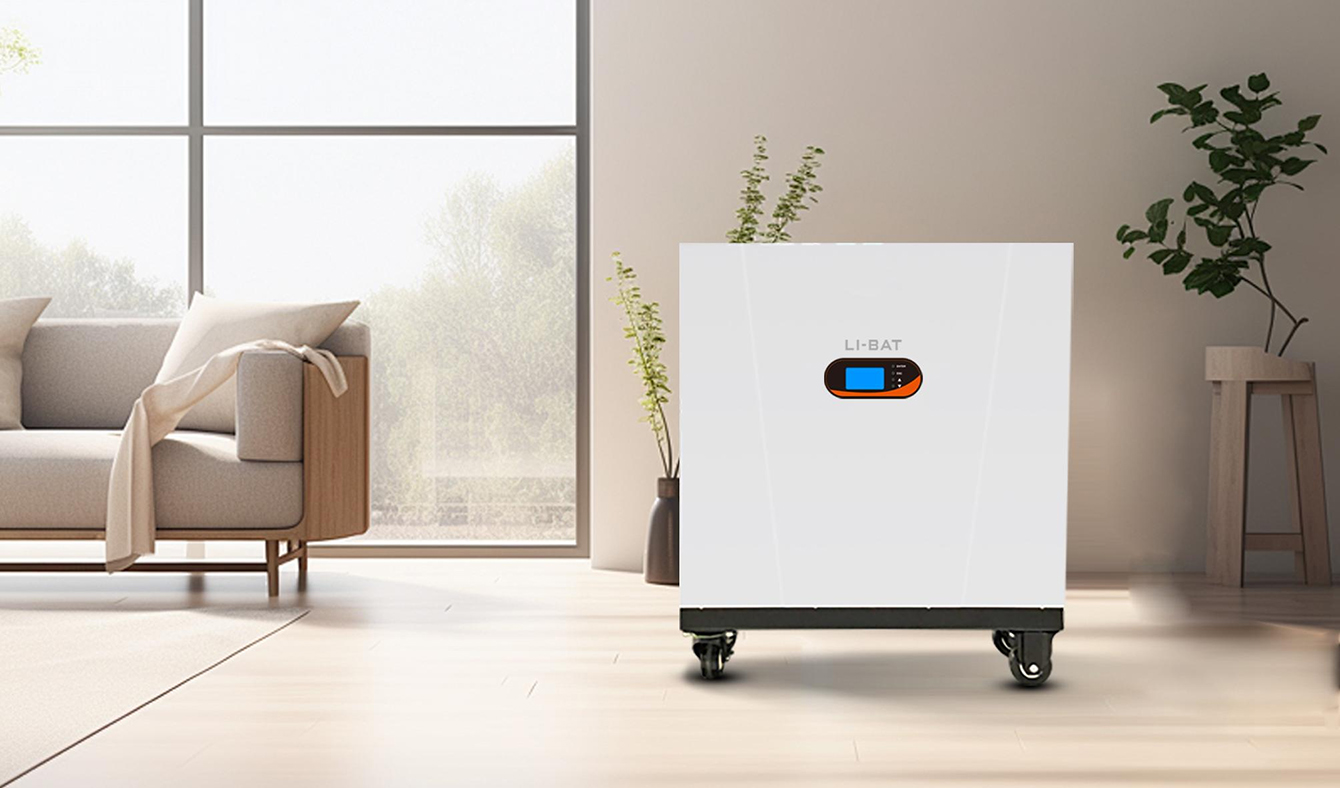
Most homes install 10–15 kWh solar battery systems.
For heavy users, multiple solar battery units can be connected.
A solar battery provides two types of value:
Financial Value:
Bill reduction
Peak shaving
Incentives
Lifestyle Value:
Energy independence
Backup during storms
Protection from rising rates
For many homeowners, the peace of mind offered by a solar battery justifies the cost.
So, is a solar battery worth it?
It depends on your energy costs, incentives, and usage habits. In regions with high electricity prices or unreliable grids, a solar battery often delivers strong financial and lifestyle benefits. A modern lithium solar battery generally provides the best long-term value compared to a lead acid solar battery or deep cycle solar battery.
As solar energy storage technology advances and costs decline, the economics of installing a solar battery continue to improve. If you value energy independence, blackout protection, and long-term savings, investing in a high-quality solar energy storage battery may be one of the smartest home energy upgrades you can make.
A solar battery typically lasts 3–15 years depending on type. A lithium solar battery lasts longer than a lead acid solar battery.
Yes, a solar battery can reduce electricity bills by shifting peak usage and increasing solar self-consumption.
A lithium battery offers longer lifespan, higher efficiency, and better performance than a lead acid solar battery.
Yes. Many homes retrofit a solar battery after installing panels.
For most residential applications, a lithium solar battery is currently the best solar energy storage battery option due to durability and efficiency.
By carefully analyzing your energy usage and comparing solar battery technologies, you can confidently decide whether installing a solar battery is the right move for your home.


