


Views: 0 Author: Site Editor Publish Time: 2025-12-16 Origin: Site


The world is undergoing a significant energy transition, with solar power emerging as one of the leading alternatives to conventional energy sources. With the increasing demand for renewable energy solutions, the solar industry is constantly evolving. One of the most important advancements in solar technology is the development of N-type solar modules. These modules are gaining traction due to their superior performance, higher efficiency, and longer lifespan compared to traditional P-type solar modules.
N-type solar modules are a type of photovoltaic (PV) cell technology that use N-type silicon as the primary material for the solar cells. To understand what makes N-type modules different from traditional P-type modules, it’s important to first look at how solar cells work.
In a typical solar cell, silicon is used as the semiconductor material, and the performance of the cell depends on the way it interacts with sunlight. Silicon wafers are either P-type (positively charged) or N-type (negatively charged). The junction between the P-type and N-type materials creates an electric field, which enables the conversion of sunlight into electricity.
N-type silicon is doped with elements such as phosphorus, which provides extra electrons (negative charge carriers), making it more efficient at conducting electricity. In contrast, P-type silicon is doped with boron, which creates a deficiency of electrons (positive charge carriers). N-type silicon is more stable and has several advantages over P-type silicon in terms of performance and durability.
Solar modules have evolved over the years, and two of the most common types are N-type and P-type solar panels. These two technologies have some significant differences that affect their efficiency, durability, and overall performance. Understanding these differences can help you choose the right solar module for your needs, whether you’re looking to power a small home or a large commercial installation.
N-type solar modules generally have higher efficiency than P-type modules. This is largely due to the superior quality of N-type silicon. In solar cells, when sunlight hits the silicon, it excites electrons, which then generate electricity. However, some of these excited electrons may return to the atom, a process known as recombination, which results in energy loss.
N-type silicon has a higher ability to reduce recombination losses, leading to more electrons being converted into usable electricity. This means that N-type solar modules can generate more power from the same amount of sunlight compared to their P-type counterparts. The enhanced efficiency makes N-type modules particularly appealing for areas with limited space for solar panels. In situations where space is at a premium, such as on smaller rooftops or commercial buildings, using N-type modules can maximize the amount of energy generated.
One of the standout advantages of N-type solar modules is their increased durability. N-type silicon is less susceptible to degradation over time, especially regarding issues like light-induced degradation (LID) and potential-induced degradation (PID), which are more common with P-type modules. LID occurs when a solar panel is exposed to sunlight for the first time, causing a slight loss in performance due to a chemical reaction between the sunlight and the boron in P-type silicon.
N-type modules, however, do not contain boron, and as a result, they do not suffer from LID. Additionally, N-type silicon is less affected by PID, which typically occurs when the voltage difference between the module's surface and the frame creates a potential imbalance, causing a decrease in efficiency. This means that N-type solar modules can maintain higher efficiency levels throughout their lifespan, offering longer service life compared to P-type panels.
N-type solar modules tend to perform better in high-temperature environments than P-type modules. The reason for this is that N-type silicon has a lower temperature coefficient, meaning that its efficiency is less affected by heat. As the temperature rises, most solar panels experience a decrease in output, but N-type panels experience less power loss under high-temperature conditions compared to P-type panels.
LID is one of the main challenges faced by P-type solar modules. It occurs when a panel is exposed to sunlight for the first time, causing a slight decrease in performance. This happens because the boron used in P-type silicon reacts with the sunlight, resulting in a decrease in output. For solar panels, this means an immediate and noticeable dip in efficiency, reducing the overall effectiveness of the system.
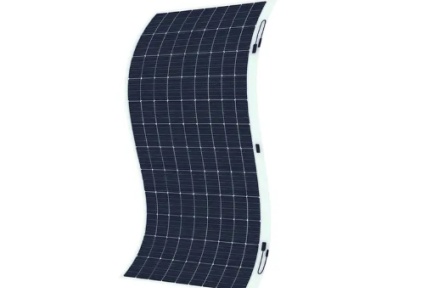
N-type solar modules are an excellent choice for both residential and commercial solar power systems due to their superior performance, longer lifespan, and greater energy output. These modules can be used in a wide range of applications, from small rooftop systems to large-scale solar farms. Here's how N-type solar modules fit into solar power systems:
In residential applications, N-type solar modules are particularly beneficial because of their high efficiency and small space requirements. Homeowners looking to reduce their energy bills and lower their carbon footprint can install N-type solar panels on their rooftops. These panels convert sunlight into electricity, which can either be used to power the home directly or stored in batteries for later use.
One of the key advantages of N-type modules in residential systems is their ability to maximize energy production, even in limited space. Since N-type solar panels are more efficient than P-type panels, homeowners can generate more electricity with fewer panels, making them ideal for smaller rooftops.
For commercial and industrial applications, the efficiency and durability of N-type solar modules make them a top choice for large-scale solar installations. Businesses can reduce their reliance on the grid and cut operational costs by installing solar power systems that generate clean, renewable energy. Whether it’s a solar farm or rooftop system, N-type modules offer improved energy output, especially in high-temperature areas or regions with a lot of sunlight.
Large commercial systems benefit from the longevity of N-type modules, as these systems typically have a much larger upfront investment. N-type’s greater efficiency and lower degradation rates mean these installations continue to generate power over a longer period, providing a better return on investment (ROI) for businesses.
N-type solar modules are also ideal for off-grid solar systems in remote locations where access to the main power grid is limited or unavailable. In such scenarios, the reliable performance and greater efficiency of N-type modules ensure that even in places with harsh weather conditions or limited sunlight, the solar power system continues to operate effectively.
These off-grid systems can be used to power remote homes, communication towers, refrigeration units, and even remote industrial operations. The improved performance and reduced degradation of N-type modules make them an optimal choice for systems that need to deliver consistent power without interruption.
Higher Energy Yield: Thanks to their higher efficiency and lower degradation, N-type solar modules generate more energy over their lifetime. This makes them an attractive choice for both residential and commercial solar systems.
Longer Lifespan: N-type modules have a longer service life due to their resistance to degradation from sunlight and environmental conditions. This ensures that the system continues to perform at a high level over many years, providing long-term savings.
Improved Performance in Hot Climates: In areas with high temperatures, N-type modules excel by maintaining higher efficiency and generating more power under hot conditions compared to other types of modules.
Cost-Effective Over Time: Although N-type solar modules may have a higher upfront cost, their superior performance, durability, and higher energy output result in greater cost-effectiveness over time. Businesses and homeowners can benefit from lower electricity bills and a faster return on investment (ROI).
Choosing the right type of solar panel is critical to the overall performance and longevity of your solar power system. N-type solar modules offer superior efficiency, durability, and reliability, making them a wise investment for both residential and commercial applications. With a longer lifespan and the ability to perform well in high temperatures and under varying environmental conditions, N-type solar modules ensure that your solar power system delivers consistent energy production for years to come.
At Jiangyin Licheng Light Energy Co., Ltd., we specialize in providing high-quality N-type solar modules that meet the latest industry standards. Our modules are designed to maximize energy output while offering long-term reliability and durability. If you’re looking to upgrade your solar power system or install a new one, we invite you to contact us for more information about our N-type solar modules and how they can benefit your energy needs.
Let us help you harness the power of the sun and make your energy future brighter, more sustainable, and cost-effective. Reach out to us today for more information on our products and services.
