


Views: 0 Author: Site Editor Publish Time: 2026-03-04 Origin: Site


As solar power adoption accelerates worldwide, homeowners and businesses are asking a critical question: how long does a solar battery last? Understanding the lifespan of a solar battery is essential for calculating return on investment, planning maintenance, and ensuring reliable backup power.
A solar battery is the heart of any off-grid or hybrid solar system. While solar panels generate electricity, the solar battery stores that energy for later use. Whether you're considering a lead acid solar battery, a deep cycle solar battery, or a modern lithium solar battery, lifespan varies significantly depending on multiple factors.
In this expert guide, we’ll analyze the life expectancy of a solar battery, compare battery types using data tables, explore influencing factors, and explain how to know when your solar battery needs replacement.
The average lifespan of a solar battery typically ranges between 3 and 15 years, depending on the type of battery technology used and how it’s maintained.
Below is a data comparison of common solar battery types:
| Battery Type | Average Lifespan | Cycle Life | Maintenance Level | Typical Warranty |
|---|---|---|---|---|
| Lead acid solar battery | 3–7 years | 500–1,500 cycles | High | 1–5 years |
| Deep cycle solar battery (Lead-acid variant) | 4–8 years | 1,000–1,800 cycles | Moderate to High | 2–5 years |
| Lithium solar battery | 10–15 years | 3,000–6,000 cycles | Low | 10 years |
Modern solar energy storage battery systems increasingly rely on lithium battery technology due to its superior cycle life and efficiency.
If you invest in a high-quality lithium solar battery, you can expect it to last roughly twice as long as a traditional lead acid solar battery.
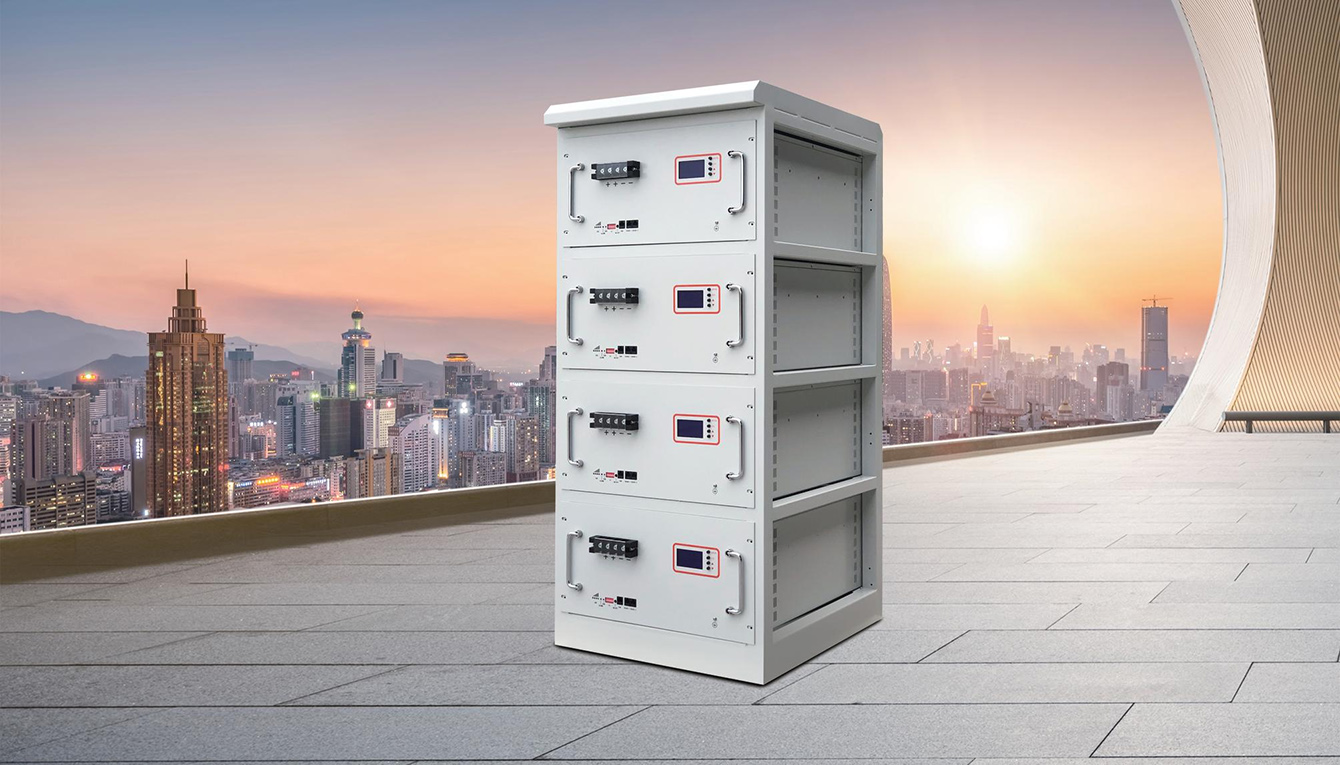
The lifespan of a solar battery is not determined by chemistry alone. Several environmental and operational factors influence how long your solar battery will last.
The most significant factor affecting solar battery lifespan is the battery chemistry.
A lead acid solar battery has been used in solar systems for decades. It’s affordable and reliable but has limitations.
There are two main types:
Flooded lead-acid
Sealed AGM or Gel (often marketed as deep cycle solar battery)
Advantages of a lead acid solar battery:
Low upfront cost
Widely available
Proven technology
Disadvantages:
Shorter lifespan
Requires regular maintenance
Sensitive to deep discharge
Lower energy density
A typical lead acid solar battery lasts 3–7 years and may only handle 50% depth of discharge consistently without damage.
A deep cycle solar battery designed for repeated charging and discharging performs better than standard lead-acid car batteries, but it still cannot match lithium longevity.
A lithium solar battery represents the latest innovation in solar energy storage battery technology. Most modern systems use lithium iron phosphate (LiFePO4), a stable and safe form of lithium battery.
Advantages of a lithium solar battery:
10–15 year lifespan
High cycle count (3,000–6,000 cycles)
80–95% usable capacity
Minimal maintenance
Compact and lightweight
Unlike a lead acid solar battery, a lithium solar battery can handle deeper discharges without degradation. This makes the solar battery more efficient over time.
Because of this, the upfront cost of a lithium battery is higher, but the cost per cycle is significantly lower.
Cycle life refers to how many complete charge-discharge cycles a solar battery can handle before its capacity drops below 70–80%.
For example:
A lead acid solar battery rated at 1,000 cycles will last about 3–5 years in daily use.
A lithium solar battery rated at 5,000 cycles can last 10–15 years.
The more frequently your solar battery cycles, the faster it ages. Homes with heavy nighttime usage or off-grid setups place more stress on the solar battery.
Depth of Discharge (DoD) measures how much of the solar battery capacity is used before recharging.
| Battery Type | Recommended DoD | Impact on Lifespan |
|---|---|---|
| Lead acid solar battery | 50% | Deeper discharge reduces lifespan |
| Deep cycle solar battery | 50–60% | Moderate impact |
| Lithium solar battery | 80–95% | Minimal impact |
A solar battery that is repeatedly discharged to 100% will degrade much faster than one maintained within safe limits.
Modern lithium battery systems often include built-in Battery Management Systems (BMS) that protect the solar battery from excessive discharge.
Maintenance plays a critical role in solar battery longevity.
A lead acid solar battery requires:
Water level checks (for flooded types)
Terminal cleaning
Equalization charging
Neglecting maintenance can shorten a solar battery lifespan by 30–40%.
In contrast, a lithium solar battery requires virtually no maintenance, making it attractive for residential use.
Temperature significantly impacts solar battery performance.
Optimal temperature range:
20°C to 25°C (68°F to 77°F)
High heat accelerates chemical reactions inside a solar battery, leading to faster degradation. Cold temperatures reduce capacity temporarily.
A lithium solar battery performs better in extreme temperatures compared to a lead acid solar battery, but all solar energy storage battery systems benefit from climate-controlled installation.
No, a solar battery does not last as long as solar panels.
Solar panels: 25–30 years
Lead acid solar battery: 3–7 years
Lithium solar battery: 10–15 years
This means you may replace your solar battery 2–3 times during the lifespan of your solar panel system.
However, as lithium battery technology advances, newer solar battery models are being designed to align more closely with 20-year system lifespans.
Recognizing the signs of a failing solar battery prevents system downtime.
Reduced backup time
Slow charging
Visible swelling (especially in lead acid solar battery units)
Voltage drops under load
Frequent system alarms
You can test your solar battery capacity using:
Load testing
Battery monitoring systems
Smart inverter diagnostics
If your solar battery drops below 70% of original capacity, replacement is recommended.
For a lithium solar battery, monitoring apps often provide real-time health data, making diagnosis easier than with traditional deep cycle solar battery systems.
So, how long does a solar battery last?
The answer depends primarily on the battery type and how it’s used. A lead acid solar battery may last 3–7 years with careful maintenance, while a high-quality lithium solar battery can last 10–15 years or more.
When selecting a solar energy storage battery, consider:
Expected daily usage
Climate conditions
Budget
Desired maintenance level
Although a lithium battery has a higher upfront cost, its longer lifespan, higher depth of discharge, and minimal maintenance make it the superior long-term investment.
As solar technology evolves and energy independence becomes more important, choosing the right solar battery ensures you maximize performance, reliability, and return on investment.
A solar battery typically lasts 3–15 years. A lead acid solar battery lasts 3–7 years, while a lithium solar battery lasts 10–15 years.
Yes. A lithium solar battery offers longer lifespan, higher efficiency, deeper discharge capability, and lower maintenance compared to a lead acid solar battery.
Most homeowners replace a solar battery every 5–15 years depending on type. A deep cycle solar battery may require replacement sooner than a modern lithium battery.
Some high-end lithium solar battery systems may approach 20 years under ideal conditions, but most solar battery warranties range from 10–15 years.
Currently, a lithium solar battery is considered the best solar energy storage battery due to its longevity, safety, and efficiency.
If you want maximum lifespan and performance from your solar battery, investing in advanced lithium battery technology is the most future-proof solution available today.


